Copilot Studio
 M365 Copilot
 Copilot Cowork
 Autopilots
 Governance
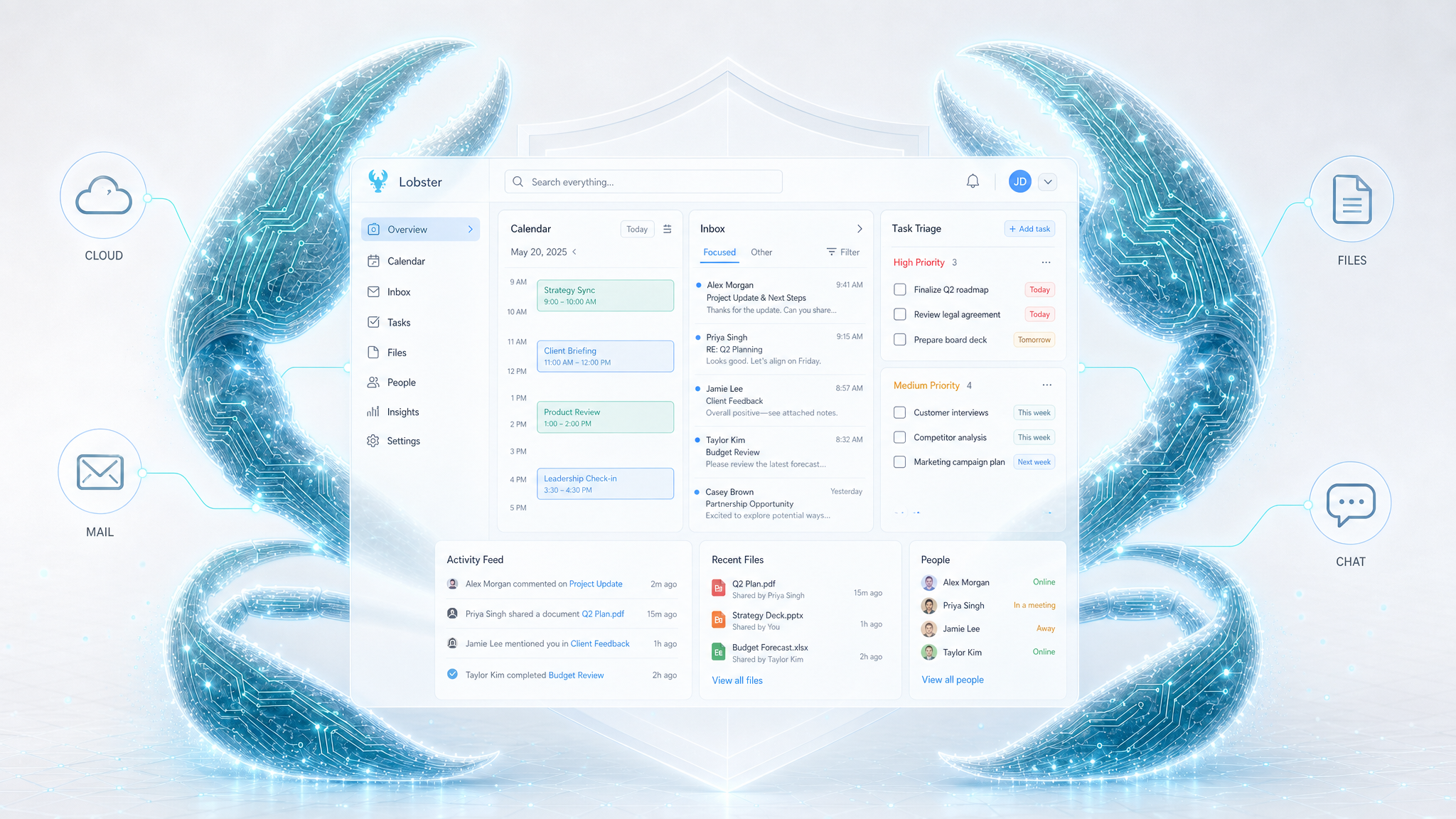
Editor's Note: With the growing interest in the soon-to-be-unveiled ClawPilot from Microsoft, we decided to put Copilot Researcher to work and generate a report on everything it could find. Here's what it uncovered.
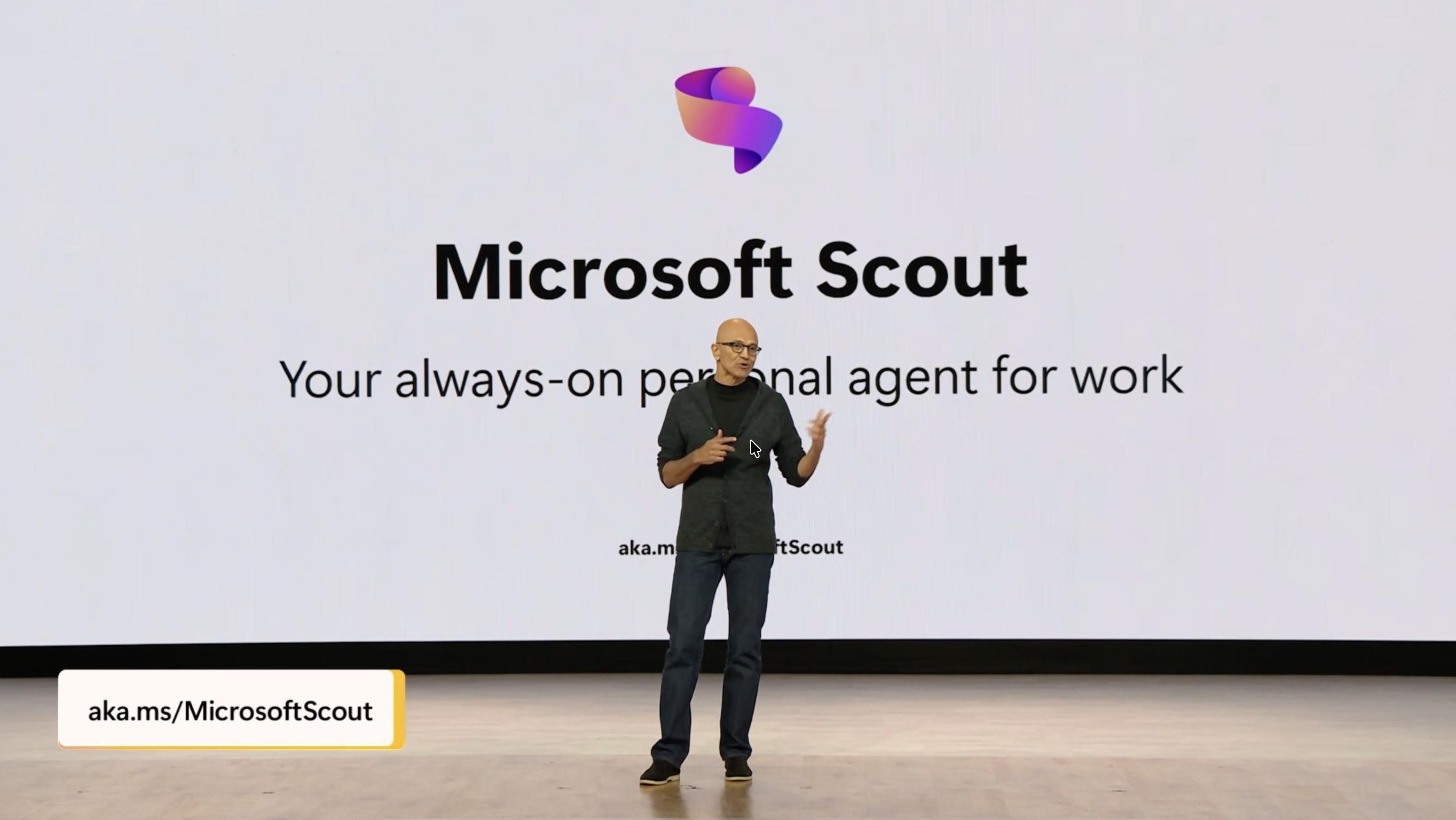
ClawPilot is the working codename for Microsoft’s internal always-on AI assistant, built atop the viral OpenClaw agent framework, and is widely expected to be unveiled at Microsoft Build 2026 on June 2 at 10am PDT. In contrast to chat-based Copilots that respond to prompts, ClawPilot is designed to act autonomously on a user’s behalf (monitoring schedules, triaging emails, handling tasks) with minimal prompting.
Key Takeaways
Always-On Agent, Not Just a Chatbot
ClawPilot is a persistent runtime agent that proactively works 24/7 across your Microsoft 365 digital life, unlike traditional Copilots that wait for prompts.
Rapid Internal Adoption
In spring 2026, an internal preview of ClawPilot reportedly grew from ~100 to over 3,000 Microsoft employee testers in a single week, a strong signal of internal utility and momentum toward public release.
Built on OpenClaw — With Enterprise Hardening
Internally codenamed Project Lobster, ClawPilot builds on the open‑source OpenClaw agent framework, with Microsoft adding enterprise-grade security, identity, and governance layers to make it viable at scale.
Origins and Background
Project Lobster emerged in late 2025 as Microsoft’s effort to bring OpenClaw-style autonomous agents into the Microsoft 365 ecosystem. OpenClaw itself (formerly Clawdbot/Moltbot) gained massive developer attention as a local, autonomous AI agent capable of executing tasks via LLMs.
Microsoft formed a small internal team, Ocean 11, led by Corporate Vice President Omar Shahine, to explore an enterprise-ready implementation. By early 2026, prototypes were already running inside Microsoft 365 Copilot, prompting Shahine’s formal mandate to deliver proactive personal agents across M365.
To support this, the team developed ClawPilot as a Mac and Windows desktop application — effectively a runtime shell that allows agents to operate continuously, bridging local device context with cloud-based Microsoft 365 data.
Naming note: There is no official public ClawPilot product page or trademark filing as of late May 2026. Multiple third-party products use similar names (e.g., clawpilot.ai), but Microsoft has explicitly stated these are unrelated. This strongly suggests ClawPilot is an internal codename, with final branding likely aligning to the broader Copilot family.
Confirmed Features and Architecture
Agent Team Model
ClawPilot is not a single assistant, but a team of agents, commonly described as:
- Chief of Staff agent – prioritization and coordination
- Executive Assistant agent – calendar, email, daily prep
- Specialist agents – domain-specific tasks (sales, marketing, finance, ops)
Agents can operate proactively, suggesting actions and executing workflows without explicit prompts. Shahine’s own assistant agent reportedly operates under a named persona (“Sebastien”), emphasizing the AI colleague framing.
Deep Microsoft 365 Integration
ClawPilot is designed to integrate across:
- Outlook and calendar
- Teams
- OneDrive and SharePoint
- Microsoft Graph
- Other first- and third-party data sources
It uses a hybrid cloud + desktop runtime, allowing agents to work even when the user is intermittently offline.
Agent Identity and Governance
A critical architectural choice: each agent receives its own Microsoft 365 identity, including:
- An Entra ID account
- Its own mailbox
- Teams presence
- Separate audit and governance hooks
This allows IT administrators to apply identity lifecycle management, permissions, logging, and conditional access policies — a major step toward making autonomous agents manageable in enterprises.
Platform and OS Support
Microsoft leadership has highlighted the importance of the desktop and OS layer for agents. A Windows OpenClaw node built by Scott Hanselman signals that Windows itself may evolve into a first-class agent runtime, with Build expected to showcase new primitives for safe background execution, permissions, and observability.
Security and Trust Considerations
Autonomous agents introduce fundamentally new risks. Microsoft’s own Defender guidance has warned that OpenClaw-style agents should be treated as “untrusted code execution with persistent credentials.” CEO Satya Nadella has likened poorly governed agents to malware from a security-architecture perspective.
Key risks include:
- Prompt injection escalating into action injection
- Persistent access to email, files, and calendars
- Difficulty attributing actions without strong identity boundaries
Microsoft’s mitigation strategy centers on:
- Agent-specific Entra identities
- Fine-grained permissions and consent
- Separation of human vs. agent audit trails
- Integration with Defender, Purview, and Agent 365 governance tooling
Trust — not raw capability — is framed as the primary design challenge.
Public Signals Summary
| Source (Date) | Signal Type | Confidence | Notes |
|---|---|---|---|
| GeekWire (May 4, 2026) | Tech press | High | Confirms ClawPilot as an internal OpenClaw-based assistant, 3,000+ internal users, Build reveal expected |
| TechCrunch (Apr 13, 2026) | Tech press | High | Microsoft confirms experimentation with OpenClaw-like agents for enterprise Copilot |
| Omar Shahine LinkedIn (Apr 22, 2026) | Executive blog | High | Confirms Mac/Windows ClawPilot app, agent identities, hybrid runtime |
| Big Hat Group analysis (May 8, 2026) | Analyst blog | High | Deep dive on security, identity model, and likely Build announcement |
| WindowsForum commentary (May 5, 2026) | Community analysis | Medium | Frames ClawPilot as a shift from reactive chat to proactive agents |
| clawpilot.ai domain | Domain | Low | Unrelated third-party project; naming collision only |
| Hanselman OpenClaw Windows node | GitHub | Medium | Signals Windows-level agent runtime work likely to surface at Build |
What to Watch for at Microsoft Build 2026 (Informed Speculation)
- Branding: ClawPilot is likely an internal name; expect Copilot-aligned branding (e.g., Copilot Agent, Personal Copilot).
- Packaging & Licensing: Possible new premium Copilot or Agent add-on SKU, with limited agent features bundled into existing plans.
- Windows & Platform Announcements: New APIs, background execution rules, and agent observability tooling.
- Security Posture: Clear guidance on permissions, approvals, identity lifecycle, and admin controls.
- Use-Case Scope: Initial focus on email, calendar, task follow-up, and meeting prep — with guardrails before broader autonomy.
Bottom Line
ClawPilot represents Microsoft’s boldest step yet toward a truly autonomous personal work assistant — a Copilot that acts instead of waiting. The internal adoption curve suggests real value, but the success of its public rollout will hinge on governance, security, and trust.
Build 2026 (June 2) is where Microsoft must prove it can turn “Clippy with credentials” into a safe, accountable, and genuinely transformative agentic platform.
Sources
- LinkedIn article by Omar Shahine, CVP at Microsoft: https://www.linkedin.com/pulse/project-lobster-week-1-update-omar-shahine-hrwsc/
- thelettertwo: https://thelettertwo.com/2026/04/10/ai-economy-microsoft-brings-openclaw-m365-copilot/
- Wikipedia: https://en.wikipedia.org/wiki/OpenClaw
- GeekWire: https://www.geekwire.com/2026/microsofts-openclaw-team-takes-on-the-personal-assistant-challenge/
- Big Hat Group: https://www.bighatgroup.com/blog/microsoft-project-lobster-clawpilot-enterprise-security-guide/
- ChatForest: https://chatforest.com/reviews/microsoft-build-2026-preview/
- Windows Forum: https://windowsforum.com/threads/microsoft-openclaw-clawpilot-agentic-desktop-assistant-vs-enterprise-security.416608/
- TechCrunch: https://techcrunch.com/2026/04/13/microsoft-is-working-on-yet-another-openclaw-like-agent/